Frequently Asked Questions
Why firearms training is important?
The importance of firearms training lies in its ability to enhance safety, improve shooting skills, and build confidence. Proper training ensures responsible handling and usage of firearms, which is crucial for both personal protection and community safety.
What qualifies as firearms training?
Firearms training qualifies as structured instruction on the safe handling, operation, and maintenance of firearms, typically led by certified instructors. It encompasses both theoretical knowledge and practical skills necessary for responsible shooting.
How much is an indoor shooting range?
The cost of using an indoor shooting range varies depending on factors such as location, duration, and amenities. Typically, fees range from $15 to $30 per hour, with additional costs for rentals and ammunition.
How important is firearms training?
The importance of firearms training cannot be overstated. It ensures safe handling, enhances shooting skills, and builds confidence, making it essential for responsible gun ownership and effective use in both recreational and defensive scenarios.
What benefits does firearms training provide?
The benefits of firearms training include enhanced safety, improved shooting skills, and increased confidence in handling firearms. It also fosters responsible gun ownership and equips individuals with the knowledge to make informed decisions in critical situations.
How can firearms training enhance safety?
Firearms training enhances safety by equipping individuals with essential skills and knowledge about proper handling, storage, and usage of firearms, thereby reducing the risk of accidents and promoting responsible ownership.
What skills are developed in firearms training?
The skills developed in firearms training include marksmanship, safety awareness, proper handling techniques, and situational awareness. Participants also enhance their focus, discipline, and confidence, making them more proficient and responsible shooters.
Who can benefit from firearms training?
Firearms training benefits a wide range of individuals, including beginners seeking to learn safe handling, experienced shooters looking to enhance their skills, and those interested in self-defense or law enforcement careers.
What topics are covered in firearms training?
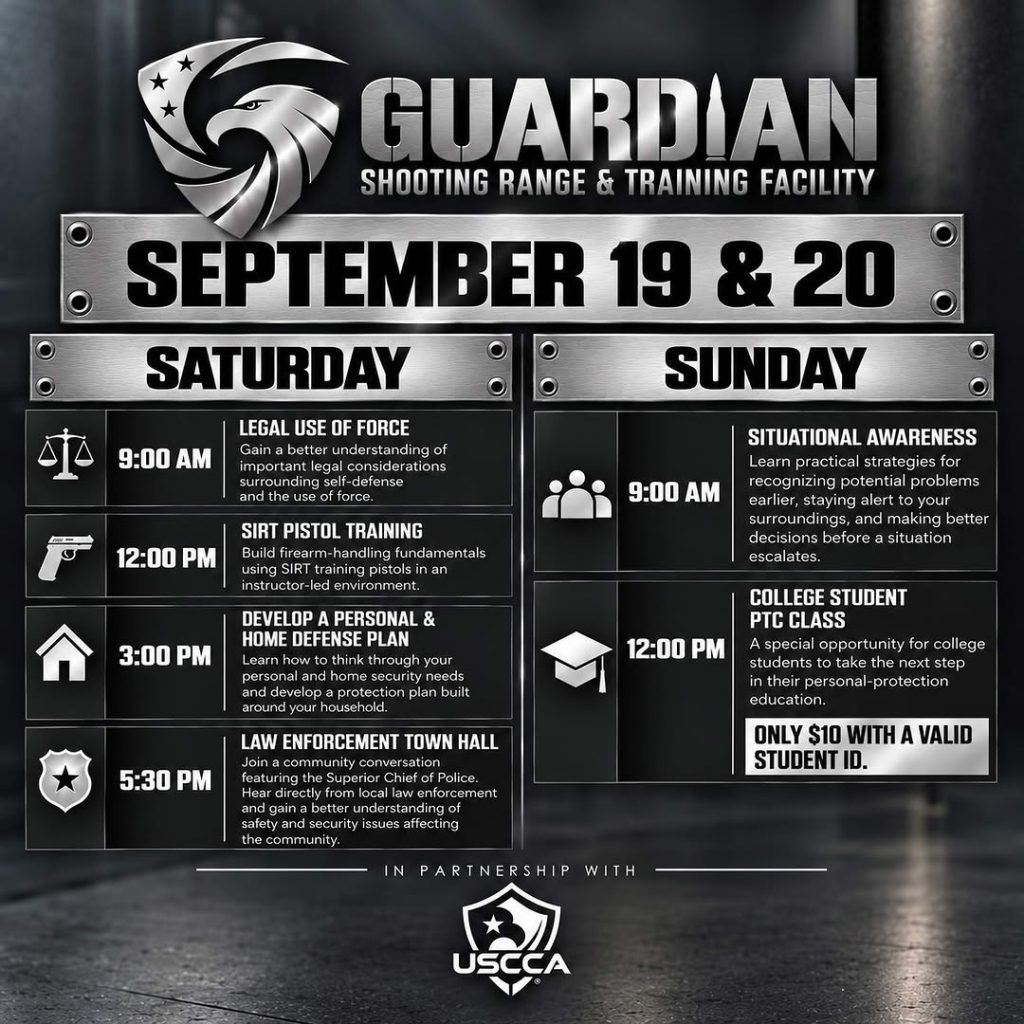
The topics covered in firearms training include firearm safety, proper handling techniques, marksmanship fundamentals, maintenance and storage, as well as legal considerations related to firearm ownership and usage.
How is firearms training structured?
Firearms training is structured to provide a comprehensive learning experience, starting with fundamental safety protocols, followed by hands-on instruction tailored to individual skill levels, and culminating in practical shooting exercises within a controlled environment.
What are the prerequisites for firearms training?
The prerequisites for firearms training include being at least 18 years old, possessing a valid identification, and having a willingness to learn about firearm safety and handling. Prior experience is not required, as training is tailored for all skill levels.
How often should one undergo firearms training?
The frequency of firearms training should be based on individual skill levels and goals. Regular training, ideally every few months, helps maintain proficiency and reinforces safety practices.
What types of firearms training exist?
The types of firearms training available include basic safety courses, marksmanship training, advanced tactical courses, and specialized training for specific firearms. Each program is designed to cater to different skill levels and objectives, ensuring comprehensive education in firearm handling and safety.
How does indoor shooting range pricing work?
Indoor shooting range pricing typically includes fees for lane rentals, ammunition, and any additional services like firearm rentals or training sessions. Rates may vary based on time spent or membership options, ensuring a flexible experience for all skill levels.
What factors affect indoor shooting range costs?
The factors that affect indoor shooting range costs include location, facility amenities, range maintenance, rental equipment, and the type of training or services offered. These elements can influence pricing for both individual sessions and memberships.
Are there membership options for shooting ranges?
Membership options for shooting ranges are available. At Guardian Gun Range, we offer various membership plans that provide benefits such as discounted range fees, priority booking, and exclusive access to events and training sessions.
What amenities are available at indoor shooting ranges?
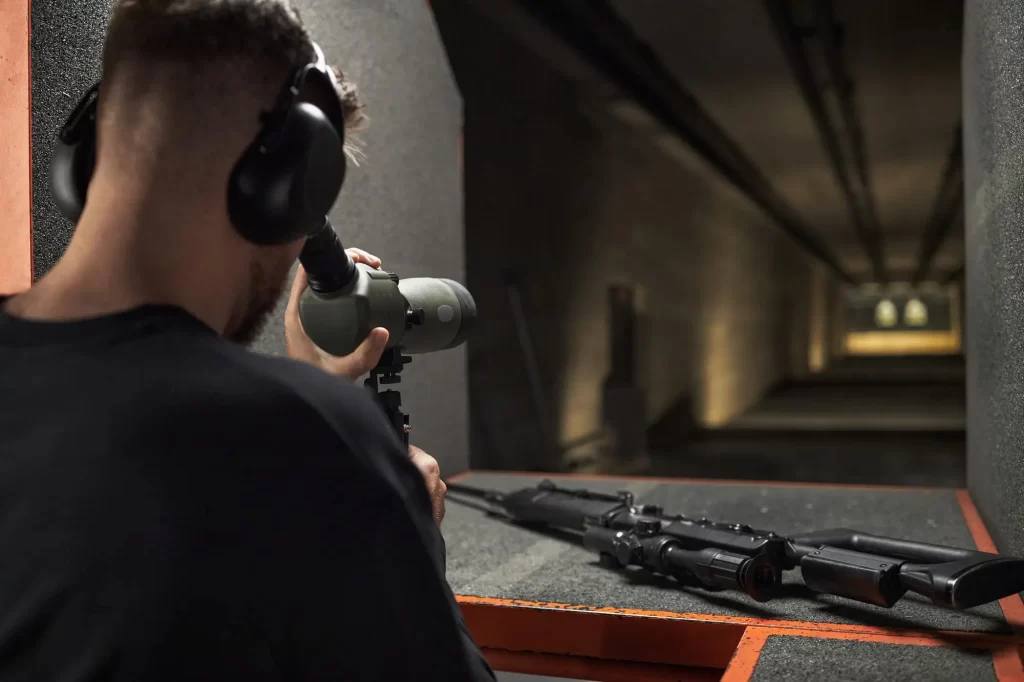
The amenities available at indoor shooting ranges typically include modern shooting lanes, rental firearms, safety gear, expert instruction, and often a retail shop for ammunition and accessories. Some ranges also feature lounges and refreshment areas for a comfortable experience.
How do indoor shooting ranges ensure safety?
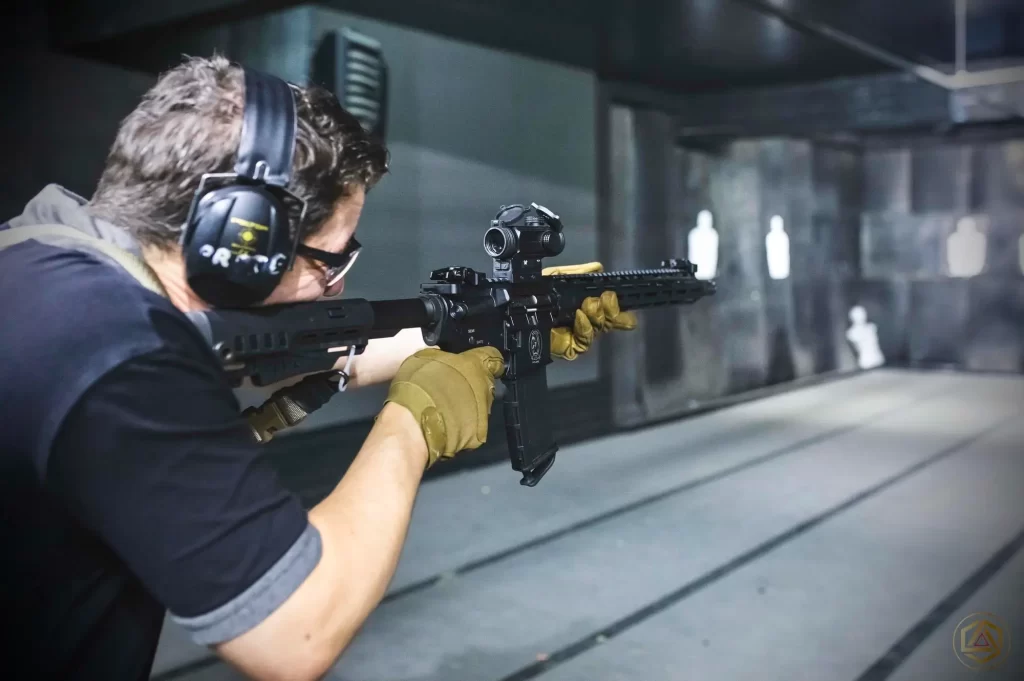
Indoor shooting ranges ensure safety through strict adherence to protocols, including mandatory safety briefings, the use of protective gear, and constant supervision by trained instructors. Additionally, ranges are designed with soundproof barriers and proper ventilation to enhance safety for all participants.
What is the duration of typical firearms training?
The duration of typical firearms training varies based on the course, but most sessions last between 1 to 4 hours. This allows participants to receive comprehensive instruction while practicing essential skills in a safe environment.
What certifications can be obtained from firearms training?
Certifications that can be obtained from firearms training include basic firearm safety, concealed carry permits, and advanced tactical training certifications. These credentials enhance your skills and demonstrate your commitment to safe firearm handling.
How can I find local firearms training programs?
Finding local firearms training programs is easy. You can search online for nearby gun ranges, visit their websites, or check community boards for listings of classes and instructors. Additionally, local firearm stores often have information on training opportunities.